On Shutdowns and Suffering
Politics and Pastoral Care

This week, the longest government shutdown in US history ended after eight Democratic Senators broke with their party to advance a funding bill. The concessions for their votes were meager, largely because they really only wanted the suffering of the shutdown to end.
As Matt Yglesias reported, “What’s missing from the online anger at Democrats is that a lot of the people I’ve spoken to, both in Congress and in the policy community, were genuinely very stressed out about the harm the shutdown was doing to the country, including lost wages and disrupted air travel.”
If this was a political strategy, it seems like a mistake. The public largely blamed Trump for the shutdown. Now, they bailed out the President and made the Democratic party appear weak and disorganized.
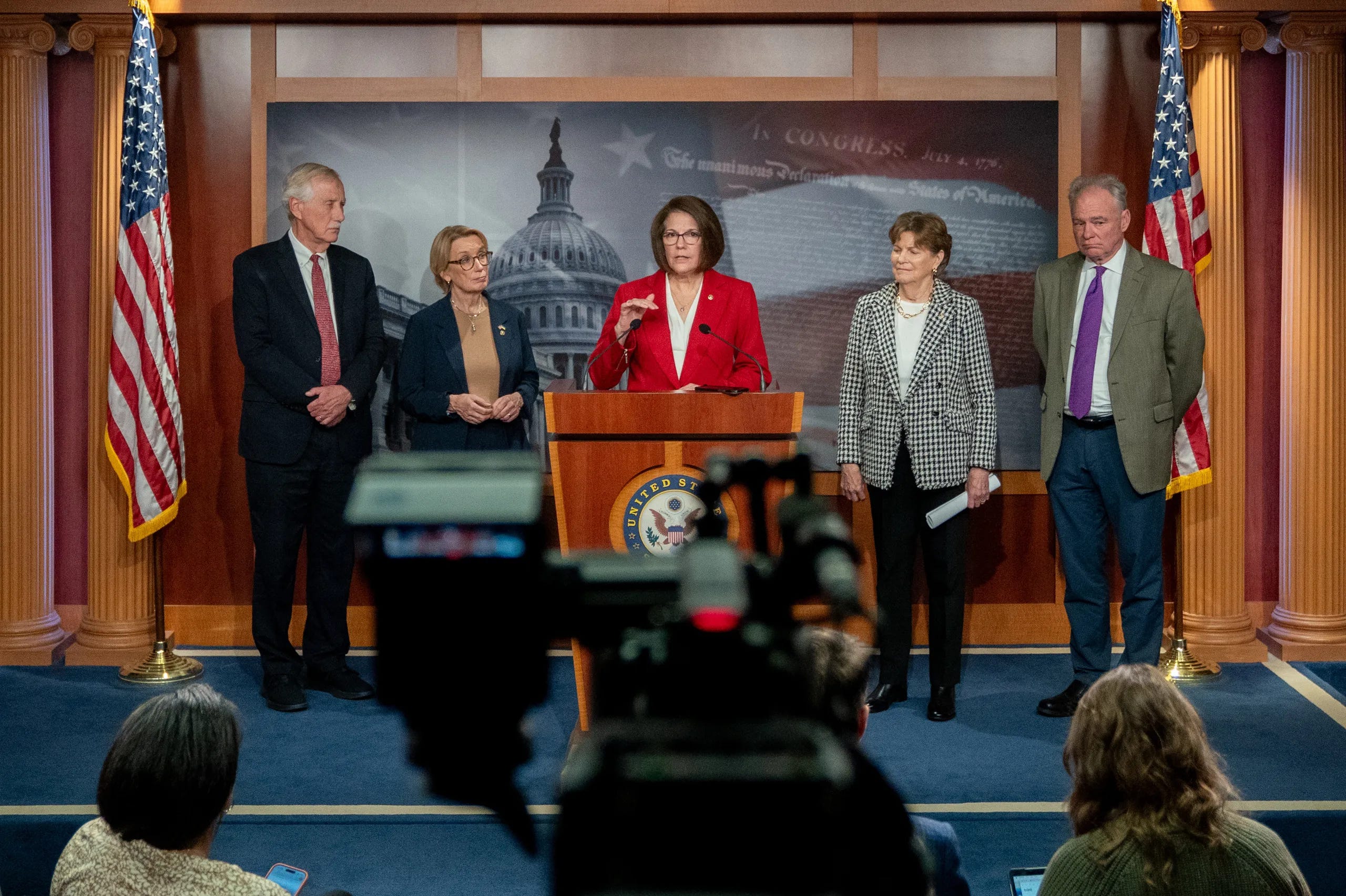
This was not simply a political calculation. The shutdown revealed how our different political coalitions understand suffering. Ezra Klein put it succinctly: “Trump’s willingness to hurt people exceeds [the Democrat’s] willingness to see people get hurt.”
This moral asymmetry makes it virtually impossible for Democratic leaders to gain political leverage. It turns every negotiation into a hostage situation. If the Democratic party is going to effectively oppose the Trump administration, which the public wants, it needs to change its approach to suffering.
This does not minimize the suffering people have endured in this shutdown. Things are bad. And, the only thing worse than pain is pain without purpose. Viktor Frankl said that despair is suffering without meaning. Now that Democrats have ended the shutdown without any major concessions, many people are asking, “What was it all for?”
In an attempt to remove the suffering as quickly as possible, these breakaway Senators took away people’s comfort: the pain had a purpose. In the end, their relief might just hurt worse.
It is good that Democrats don’t want to see people get hurt. In fact, reducing suffering has been a defining goal of liberalism, from the earliest conceptions of John Stuart Mill. This noble goal has led to anti-poverty efforts, civil rights, and international development.
Our modern, secular culture understands suffering as something that can be (and should be) avoided. That gives authoritarians power. They wield pain as a tool, like any bully: “Give me what I want, or people will get hurt.”
Liberals are faced with an impossible choice. Do we fold, or do we allow suffering?
That same tension plays out not just in politics, but in pastoral care. When I sit with someone in pain, I don’t have the power to remove their suffering— but I do help them articulate what provides meaning in the midst of it. As a chaplain, one of my favorite resources is ACT for Clergy and Pastoral Counselors. It presents a different option, drawing from spirituality and psychology.
ACT (Acceptance and Commitment Therapy) is a psychotherapy model that challenges the modern, secular goal: the purpose of life is not to reduce suffering, but to live a full and meaningful life. In ACT, the recipient of care wrestles with this question: “Am I willing to accept this suffering so that I can live out my values in particular actions?”
Acceptance does not make the suffering insignificant or fair. Acceptance simply acknowledges suffering’s secondary importance to one’s values and goals for their life.
The lessons of ACT can help Democrats in this moment. The goal of democracy is not to reduce suffering. The goal is for people to be free to live out their values. That requires acceptance of potential suffering when authoritarians threaten those values.
This is why democracies are actually more successive than dictatorships in times of war. People are remarkably resilient when they are clear about their values. In Nietzsche’s words, “he who has a why can endure any how.” The task for Democratic leaders, then, is to clarify and uplift the values that build a resilient resistance.
As this shutdown showed, confronting the Trump administration will not come without suffering. But this is the question opposition leaders must ask the American people: are you willing to accept this suffering so that you can live out your values in the work of this democracy?
Great writing as always Evan